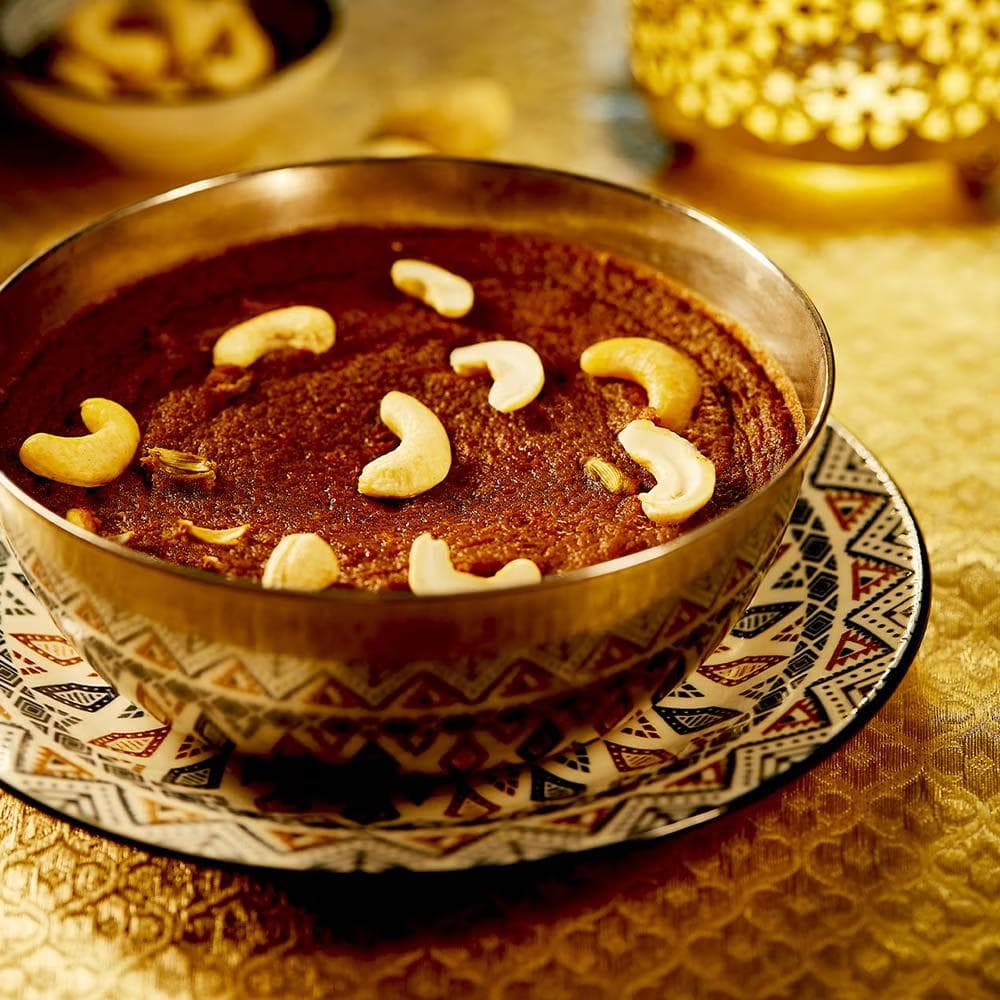
A Sweet Escape: 5 Must-Try Sri Lankan Desserts in Kandy (Beyond Watalappan)
Daniel Carter
3/3/2026

By Daniel Carter
While Sri Lankan savory cuisine is famous for its fiery spices and coconut-rich curries, the dessert landscape offers a refreshing counterpoint: gentle sweetness, tropical flavors, and unique textures. Kandy, with its rich cultural heritage, is the perfect place to explore these traditional sweets. Everyone knows about Watalappan (the spiced coconut custard), but to truly complete your culinary journey, you must seek out these five exceptional local desserts that capture the sweet essence of the Central Highlands.
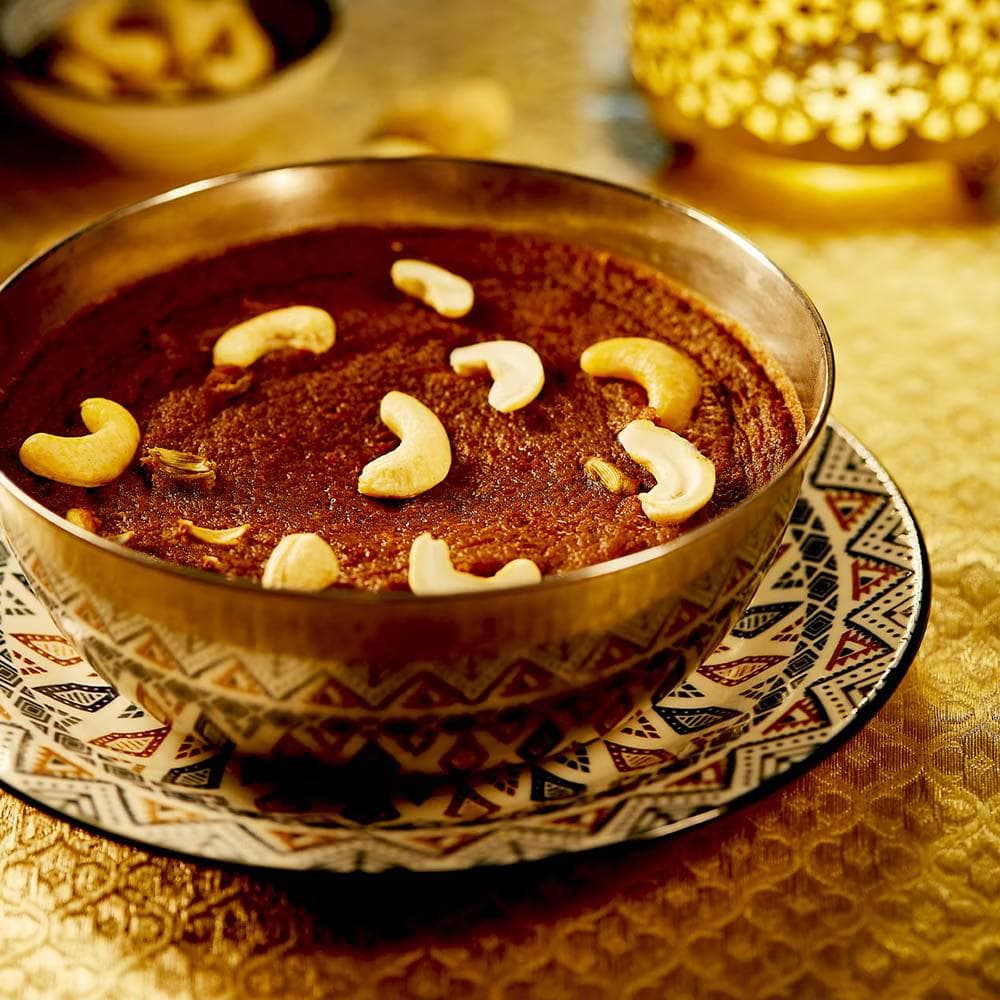
Curd and Kithul Treacle (Dahi and Pani)
This dessert is the absolute essence of Sri Lankan sweetness and simplicity. It consists of thick, tangy buffalo curd (a type of yogurt, often sold in small clay pots) generously drizzled with kithul treacle (kithul pani). The treacle is a golden, intensely flavorful syrup tapped from the Kithul palm flower; it has a deeper, more complex taste than maple syrup or honey. The contrast between the cool, creamy, sour curd and the rich, dark sweetness of the treacle is heavenly and highly addictive.
- Where to find it: Look for stalls near the Kandy Central Market or any reputable local restaurant. The curd is often sold pre-packed in rustic clay pots, which make great souvenirs.
- Tip: Ensure the treacle is genuine kithul pani and not just sugar syrup. The real treacle is darker and slightly thicker.
Kavum and Kokis: The Festive Favorites
These are deep fried sweet snacks traditionally reserved for the Sinhala and Tamil New Year but available year round in local sweet shops (Pettikade).
- Kavum: A dense, chewy, deep fried oil cake made from rice flour and kithul treacle. It has a distinctive pointed top and a unique, slightly sticky texture.
- Kokis: A crisp, delicate biscuit made from rice flour and coconut milk. It is instantly recognizable by its beautiful, wheel like rosette shape. It is light, crunchy, and often mildly sweet.
- Where to find them: Best found at specialized sweet shops (Peti Kade) or bakeries in the Kandy city center. They are often sold by weight.
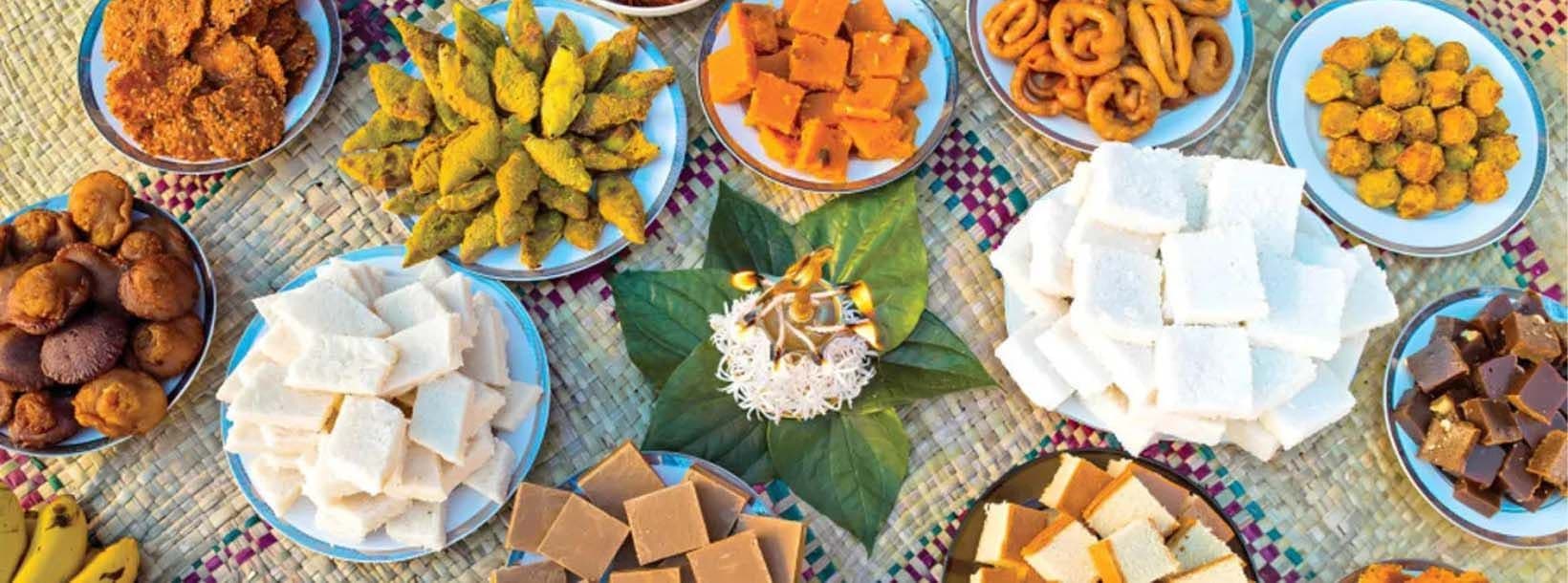
Godhamba Roti with Sweet Coconut Filling (Pol Roti)
While roti is typically a savory dish, the sweet variation is a delightful, satisfying treat. It involves a plain Godhamba roti (flatbread) spread with a filling made from grated coconut and jaggery (crystallized kithul syrup) or sugar, and often flavored with cardamom. The whole thing is then neatly folded or rolled. The warmth of the freshly made roti melts the jaggery, creating a chewy, sweet indulgence.
- Where to find it: Small street stalls that serve hoppers and rotis, particularly in the mornings or evenings, will usually have the sweet coconut roti option.
- Tip: Ask for it to be served hot right off the griddle.
Aggala: The Rice Ball Delight
Aggala are small, rustic sweet balls that pack a surprising amount of flavor. They are made from roasted rice flour that is mixed with grated coconut, jaggery (or sugar), and often a pinch of salt to balance the sweetness. The mixture is then tightly rolled into bite sized balls. They are simple, easy to eat, and a fantastic example of traditional, zero waste Sri Lankan confectionery.
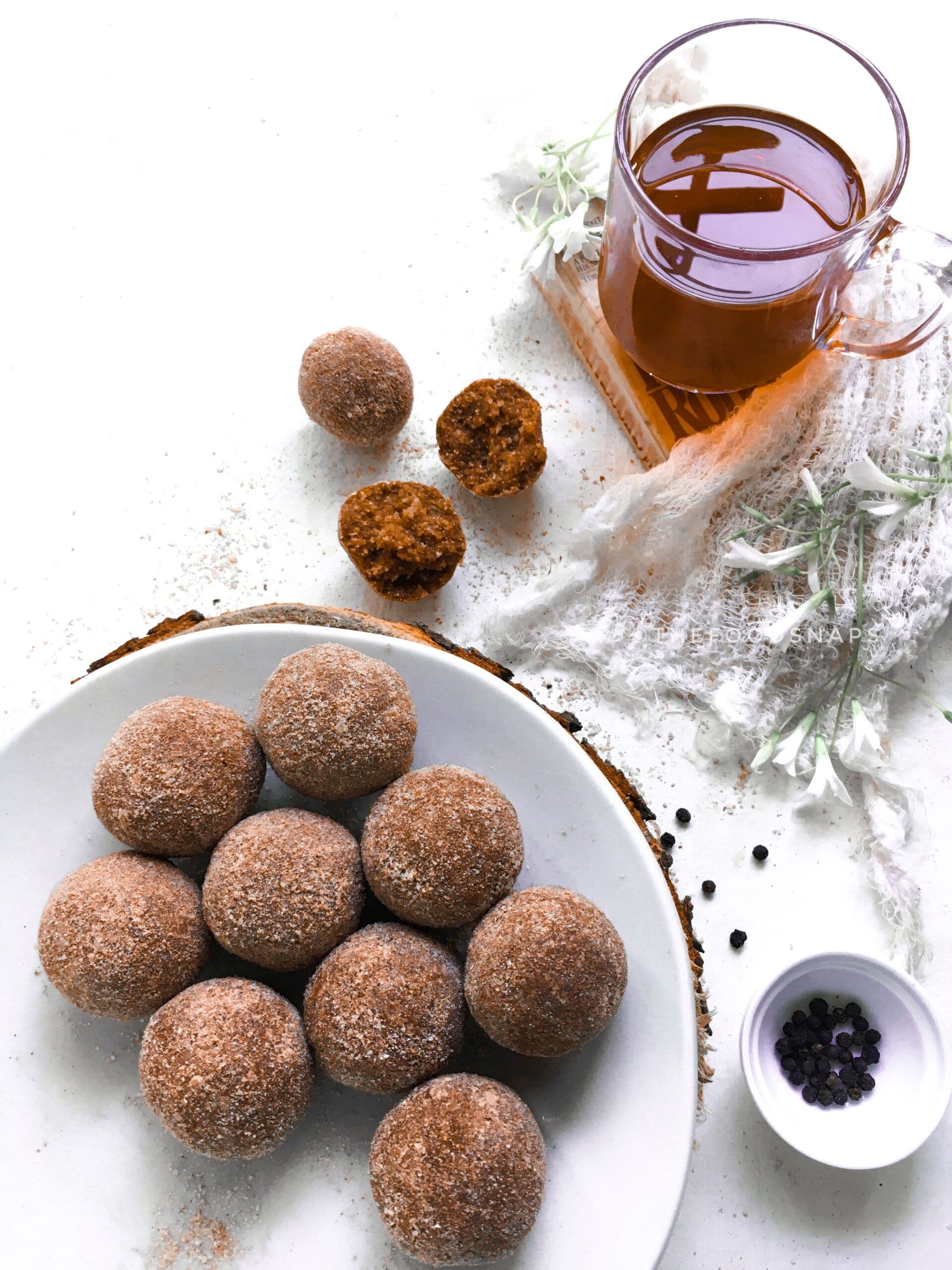
- Where to find it: Often available in markets, bus stands, and sweet stalls selling packaged local treats. They are perfect for snacking on the go.
Aluwa and Kaludodol
These two desserts showcase the dense, fudge-like side of Sri Lankan sweets:
- Aluwa: A diamond shaped sweet made from roasted rice flour, mixed with melted sugar or treacle, and pressed flat. It is often flavored with cardamom and cashews. It has a slightly crumbly texture and a rich, buttery sweetness.
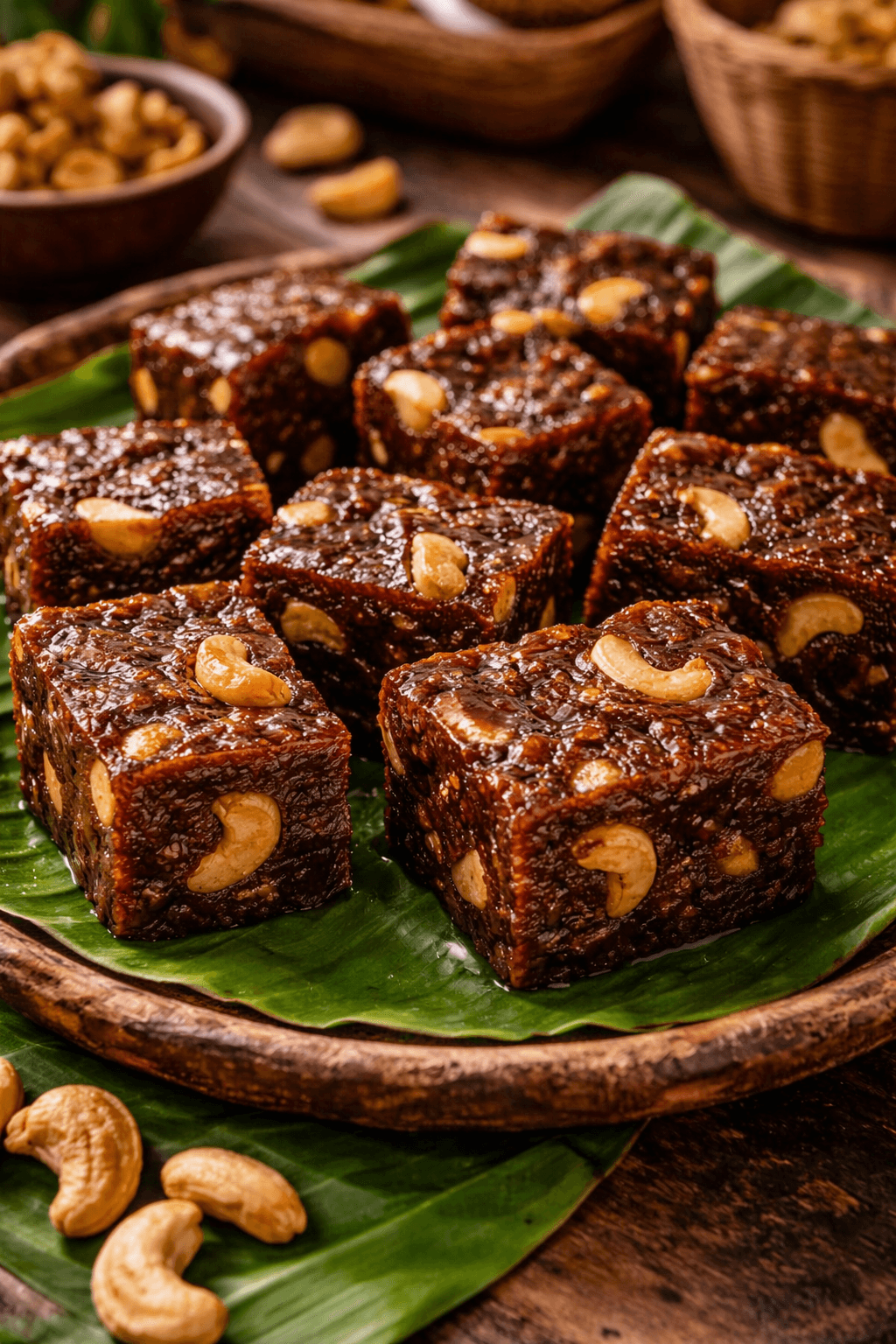
- Kaludodol: A deep, dark brown, jelly like confection that requires immense stirring and patience to make. It is intensely sweet and made from coconut milk, jaggery (or sugar), rice flour, and cashews. It has a heavy, sticky, and satisfying chew.
Exploring the sweet side of Kandy is a wonderful way to understand the role of coconut, rice flour, and the majestic kithul palm in the local diet. Don't leave the city without indulging in this delightful culinary tradition!
Published on 3/3/2026