Cultural Immersion: The Ultimate Guide to Experiencing a Traditional Kandy Dance Show
Sahan Jayasuriya
2/7/2026

By Sahan Jayasuriya
A visit to Kandy is incomplete without witnessing the mesmerizing artistry of a Traditional Kandyan Dance Show. These performances are far more than mere entertainment; they are a vibrant, living window into centuries of Sri Lankan culture, folklore, and ritual. Rooted deeply in ancient spiritual practices and royal court traditions, the dance showcases the rich heritage of the island’s central region through intricate movements, dazzling costumes, and hypnotic rhythms.
The History Behind the Movement
Kandyan dancing, or Udarata Natuma, originated from a ritual known as the Kohomba Kankariya, a performance intended to appease the deity of the forests, King Kohomba. Historically performed only by men, these dances evolved into a highly refined art form patronized by the Kandyan kings. Today, the dances are performed in dedicated cultural centers, featuring both male and female dancers who uphold the strict classical techniques passed down through generations.
Essential Components of the Show
A traditional Kandy dance show is a sequence of distinct acts, each with its own story and significance:
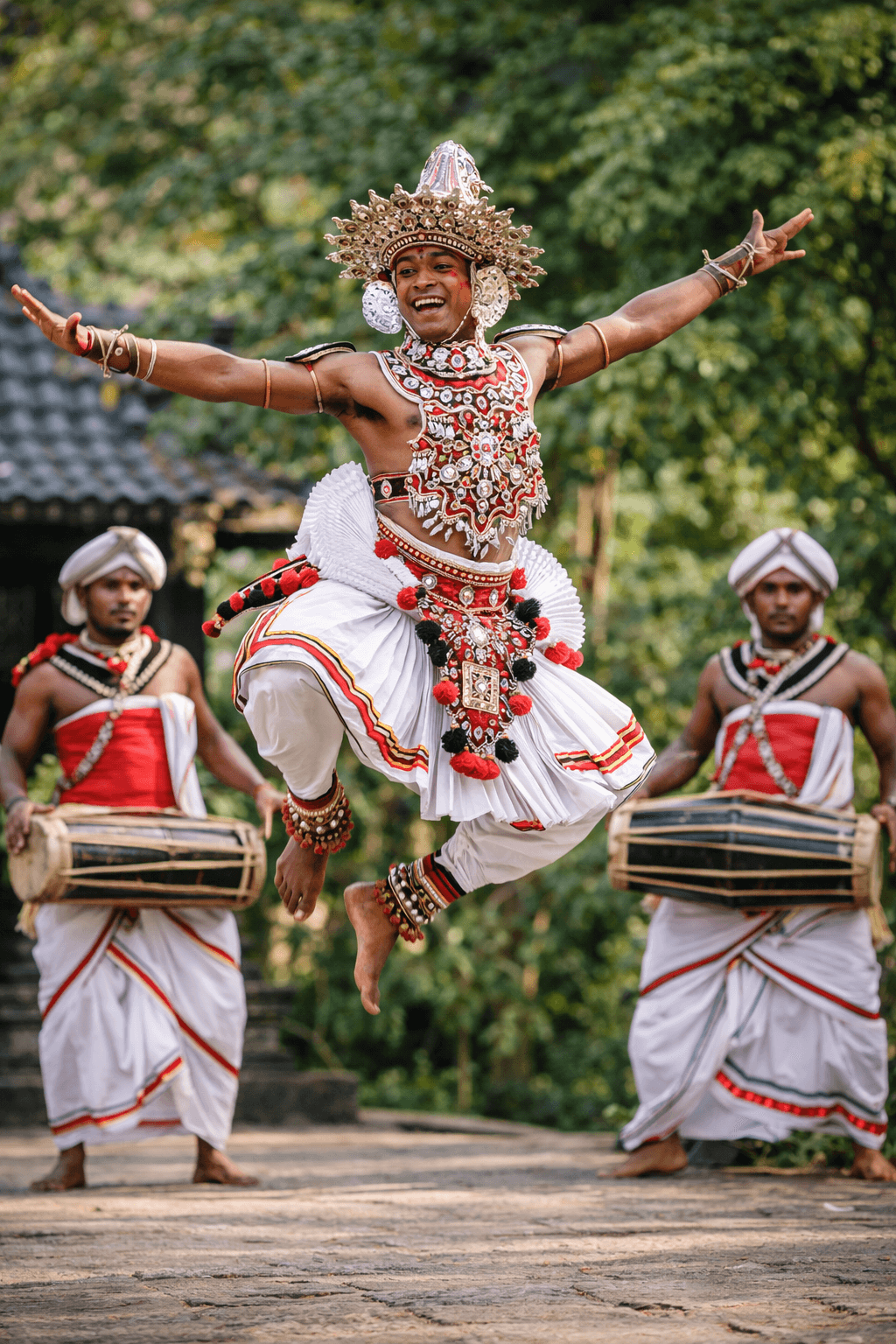
- The Ves Dance: This is the most iconic and sacred of the Kandyan dances, traditionally performed only by males who have undergone rigorous training and a special purification ritual (Ves Bandhima). The dancer wears the stunning, elaborate Ves costume, including a towering silver headdress and chest plate, symbolizing purity and divinity.
- The Pantheru Dance: This rhythmic dance involves the use of the pantheru, a tambourine-like instrument dating back to the time of the kings. It was traditionally used to celebrate victories and pay tribute to royalty.
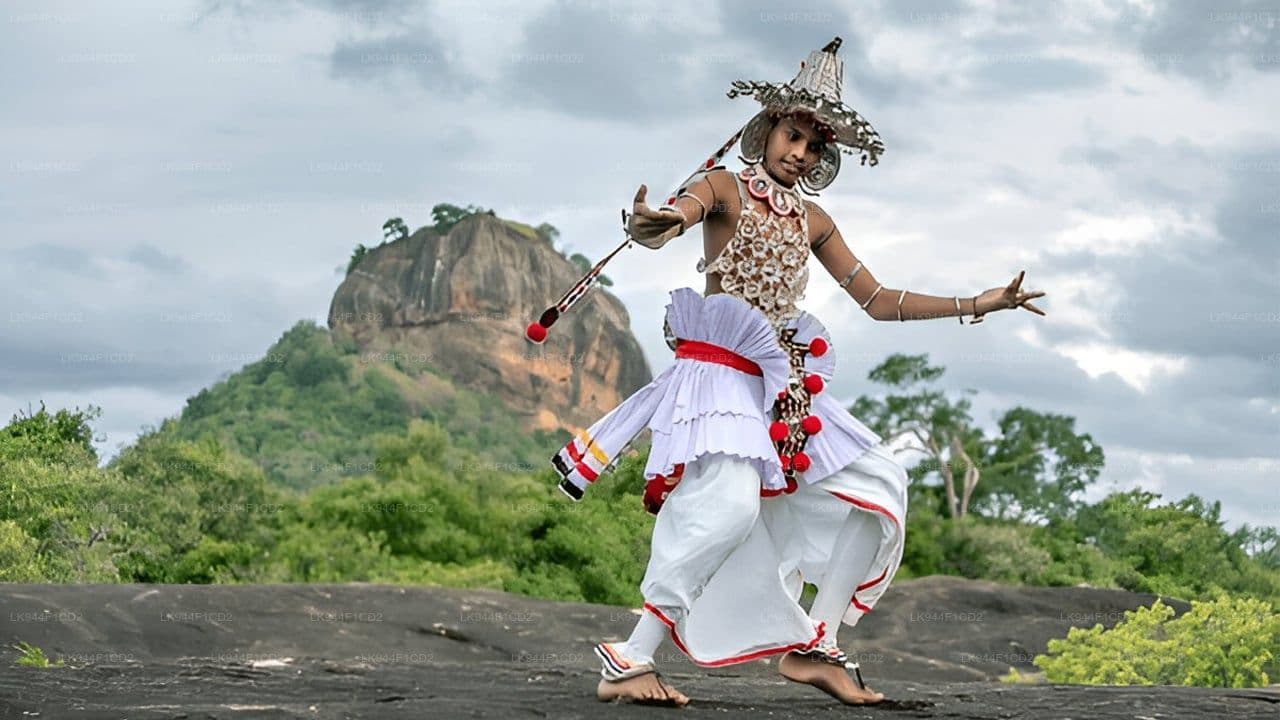
- The Mayura Vannama (Peacock Dance): A beautiful performance that imitates the graceful movements of the peacock, symbolizing majesty and romance.
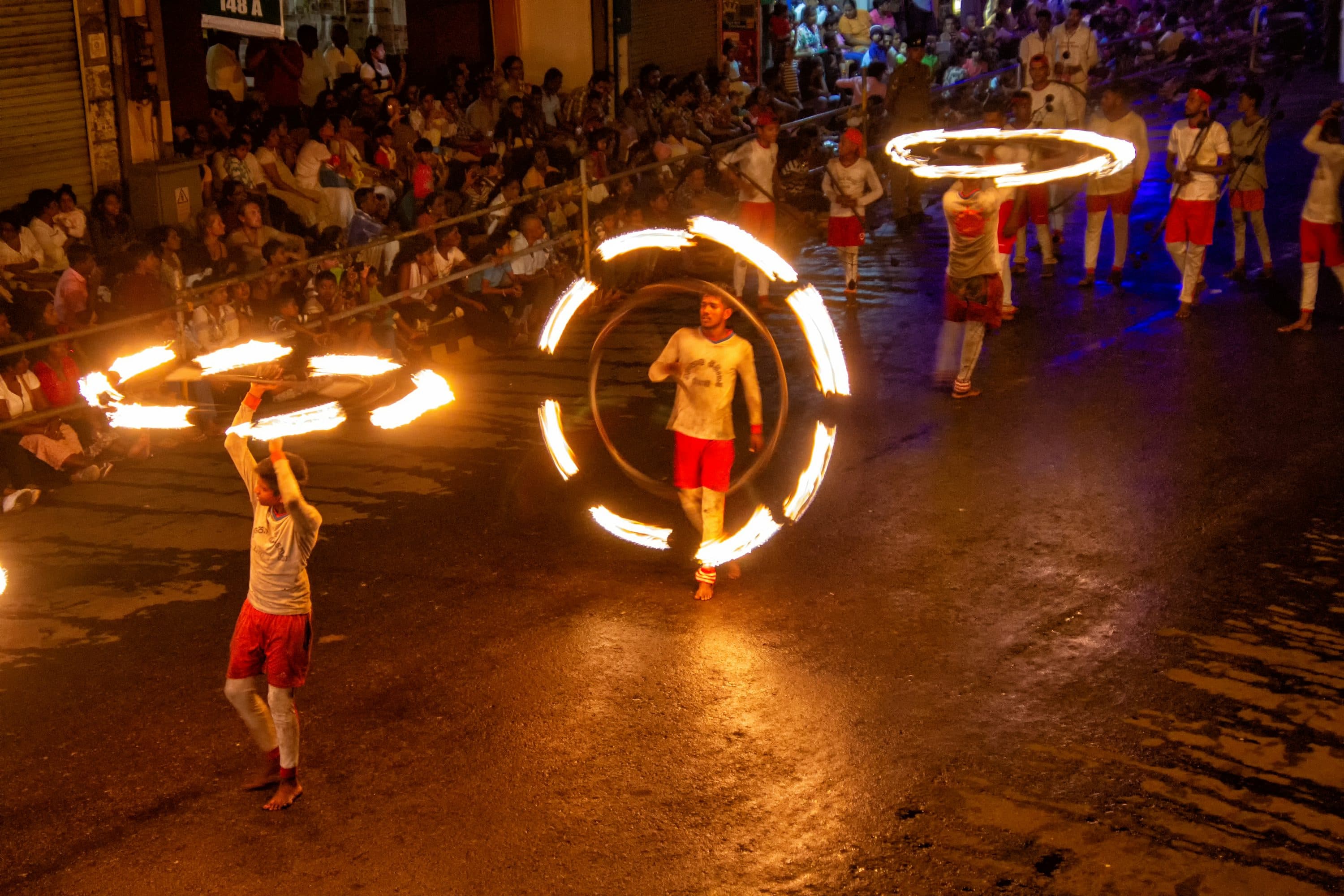
- The Ginisisila (Fire Dance): Usually the finale, this daring and thrilling performance often involves dancers walking over hot coals or swallowing flames, demonstrating spiritual power and resilience. It is a spectacle of skill and spiritual strength.
The Rhythm: The Heart of Kandyan Music
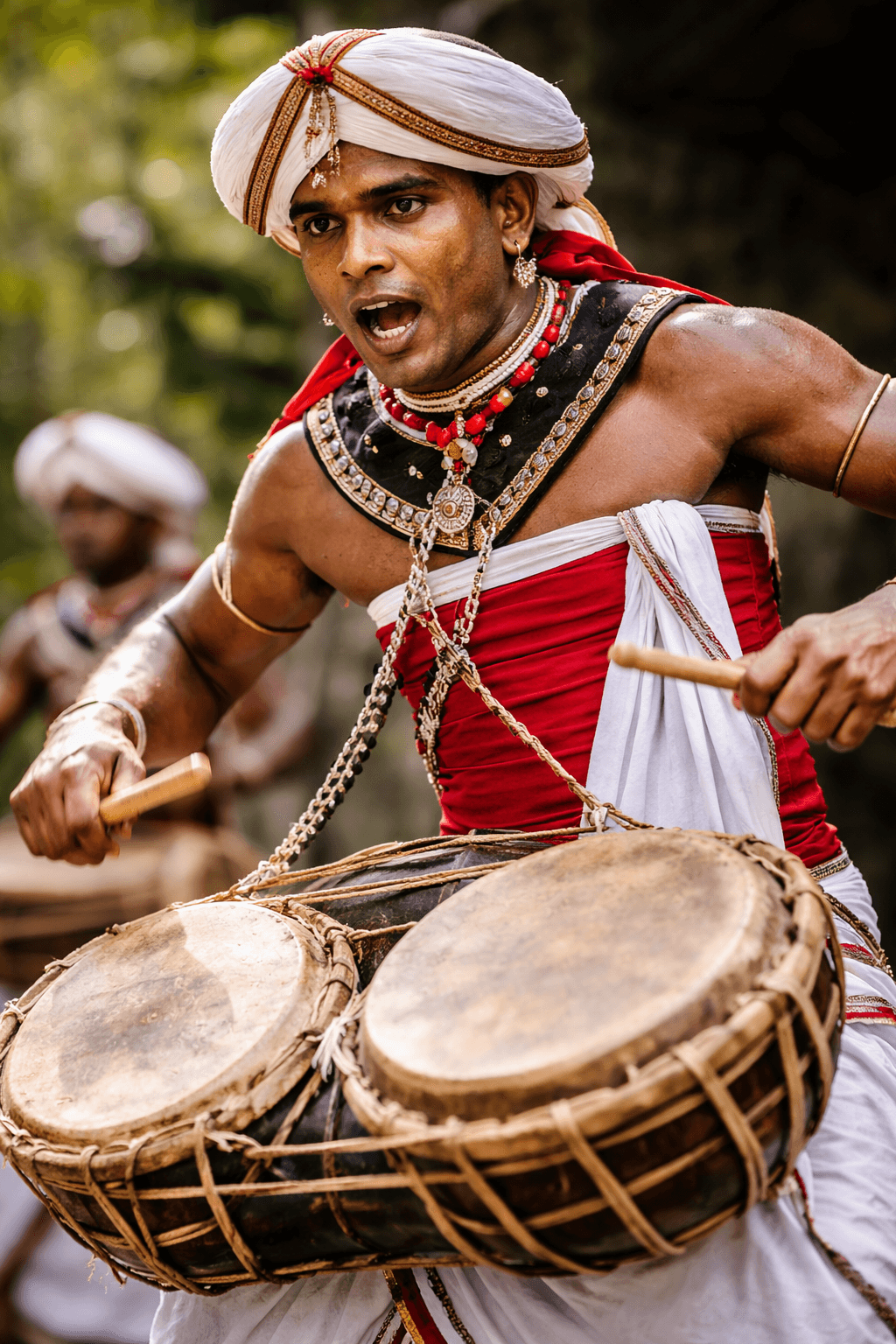
The dance is inseparable from its powerful musical accompaniment. The primary instrument is the Geta Bera (or Kandyan drum), a double headed, barrel shaped drum played by hand. The drummers are artists in their own right, generating complex, pulsating rhythms that dictate the tempo and emotion of the dancers. The sounds are often punctuated by the metallic clang of small cymbals (thalampota) and the deep, resonant drone of the drumbeats.
Where and When to Attend
Kandyan dance performances are typically held in major auditoriums within the city, making them easily accessible for travelers.
- Venue: The most popular venue is usually the Kandyan Art Association and Cultural Centre near Kandy Lake, but other smaller venues also host daily performances.
- Timing: Shows generally run daily in the late afternoon or early evening, often starting between 5:00 PM and 6:00 PM. They last approximately one hour to one hour and fifteen minutes.
- Booking: It is advisable to purchase tickets in advance, especially during peak season, or ask your hotel/guesthouse for assistance. Arriving 15 minutes before the show allows you to secure a good seat.
Capturing the Experience
The dazzling costumes, rapid footwork, and powerful drumming offer incredible photo opportunities. However, remember these tips:
- Lighting: The venues typically use dramatic stage lighting, so adjust your camera settings accordingly to capture the colors without blur, especially during fast movements.
- Respect: Be mindful of other audience members and the performers. Avoid using flash photography if the venue requests it, as it can be distracting to the dancers.
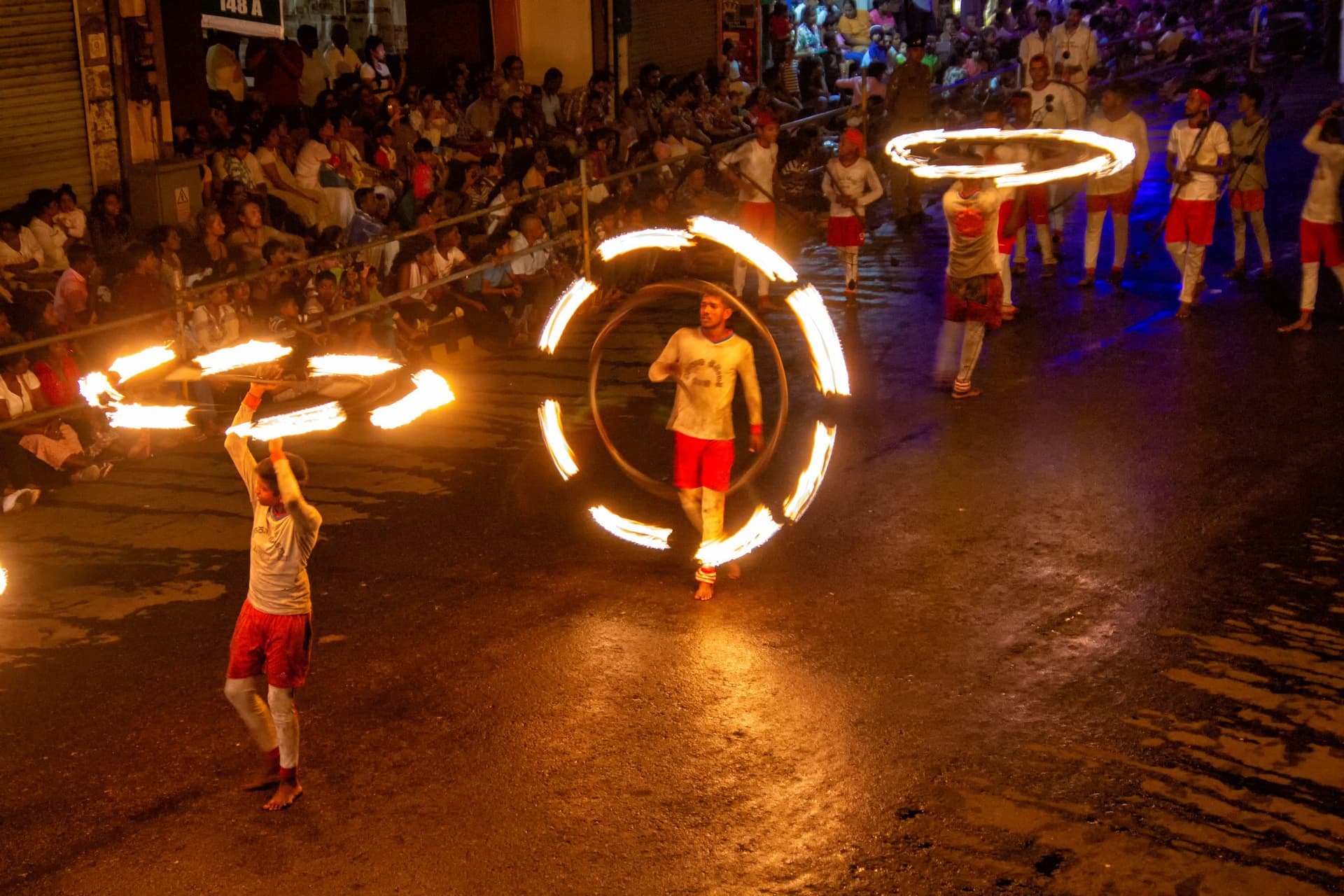
Experiencing a Kandyan dance show is the perfect way to spend an evening in Kandy, providing a deeply enriching appreciation for the island's unique cultural legacy that few other experiences can match.
Published on 2/7/2026