Local Shopping Secrets: A Tour of the Kandy Central Market and What to Buy
Lily Anderson
2/5/2026

By Lily Anderson
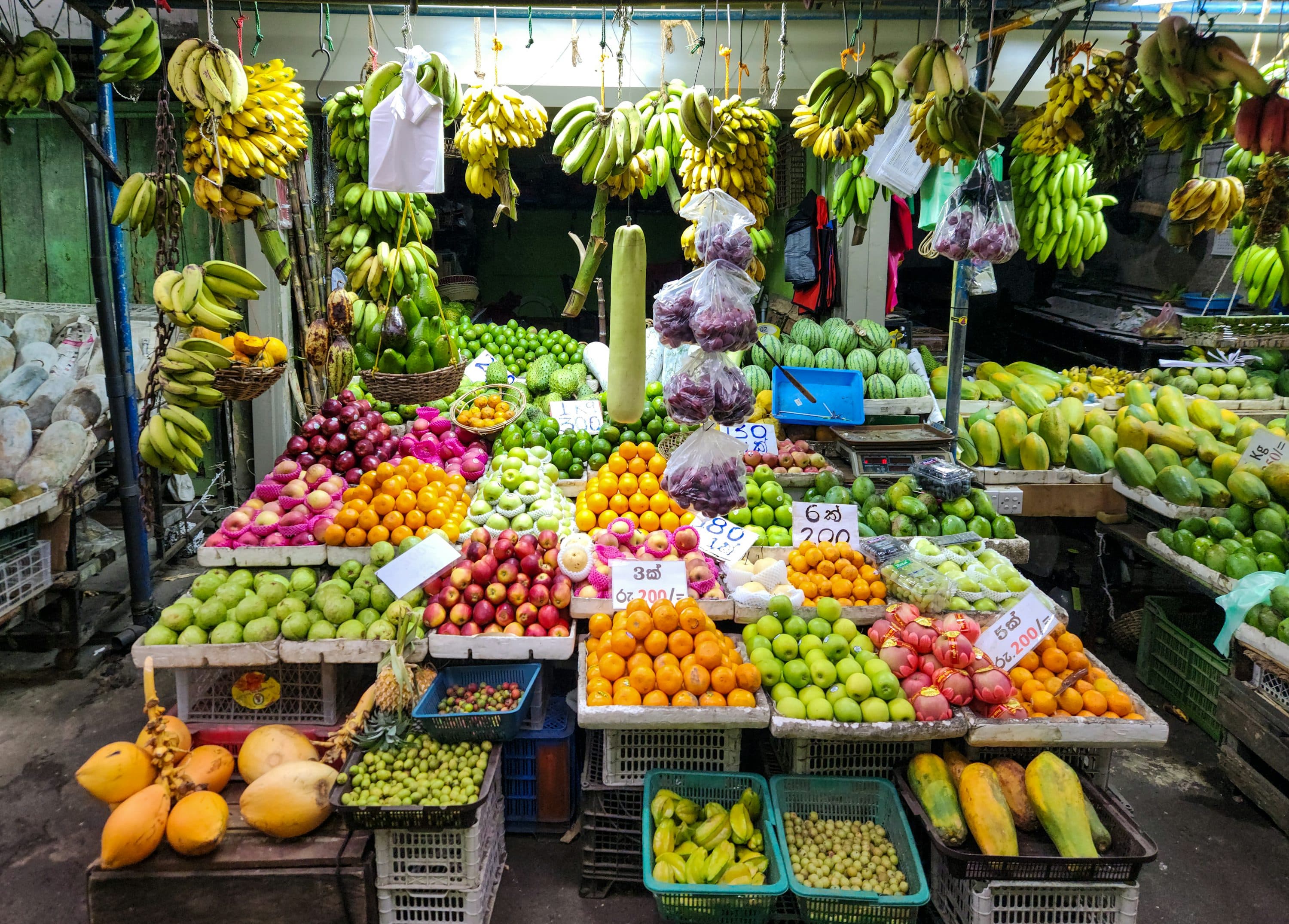
While Kandy is globally recognized for its sacred temples and serene lake, its true commercial and sensory heart lies in the bustling Kandy Central Market. This isn't a slick tourist shopping center; it is a vibrant, chaotic, and authentic slice of local life where the scents of spices, fresh produce, and flowers mingle under a sprawling, often loud, roof. If you want to experience the real rhythm of Kandy and score unique, locally sourced goods, a visit to the Central Market is essential.
The Three Halls of the Market
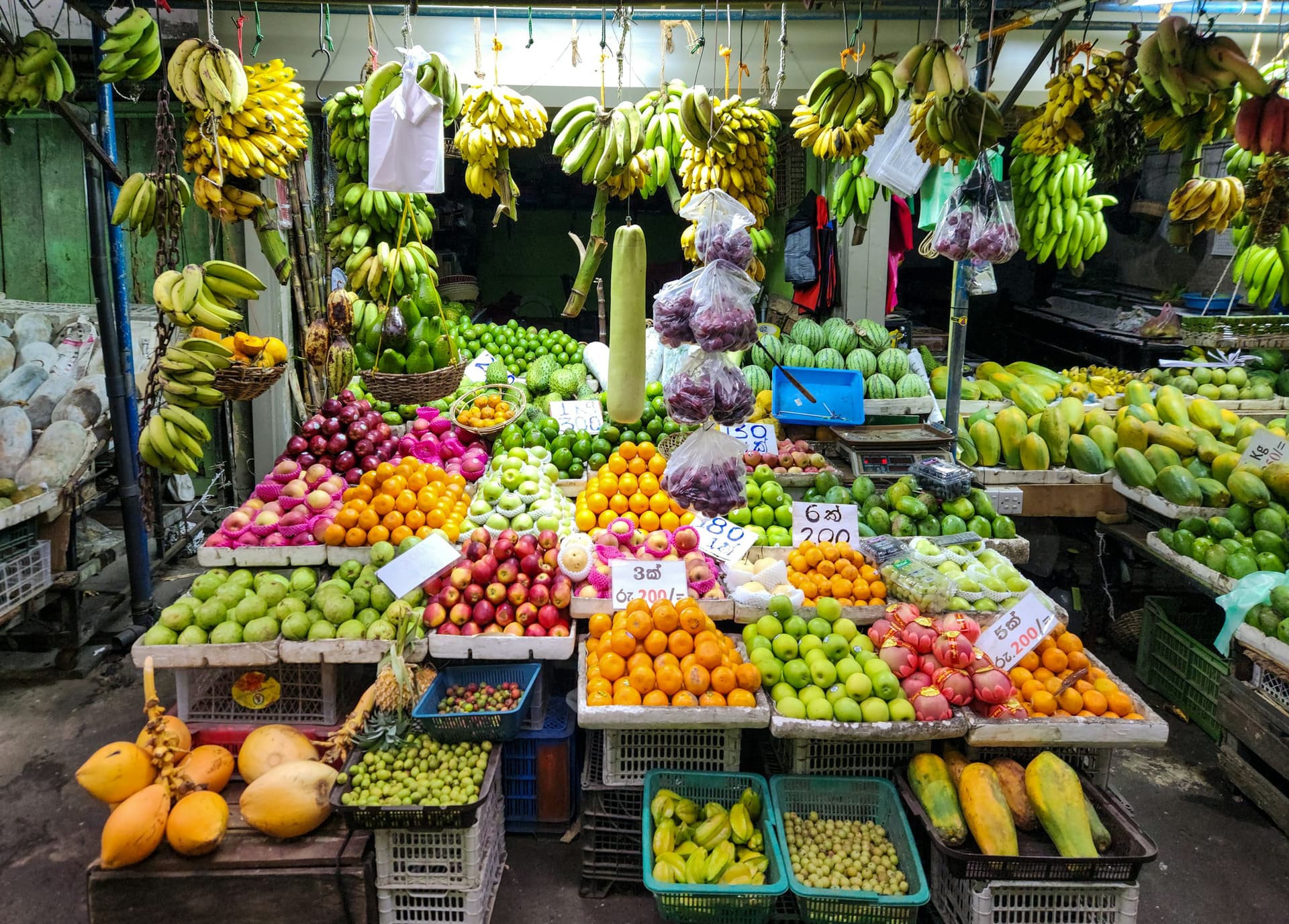
The Kandy Central Market is typically divided into three main sections, each offering a completely different shopping experience:
- The Produce Section (The Wet Market): This is the loudest and most dynamic section, filled with mountains of fresh fruits, vegetables, and greens. Here you will find exotic Sri Lankan staples like jackfruit, star fruit, and a dazzling variety of bananas, alongside common staples. This is where locals buy ingredients for their daily rice and curry.
- The Meat and Fish Section (Often in a separate, adjacent building): This area is dedicated to fresh meat and fish. While often strong smelling and intense, it gives a direct look at the local diet and economy.
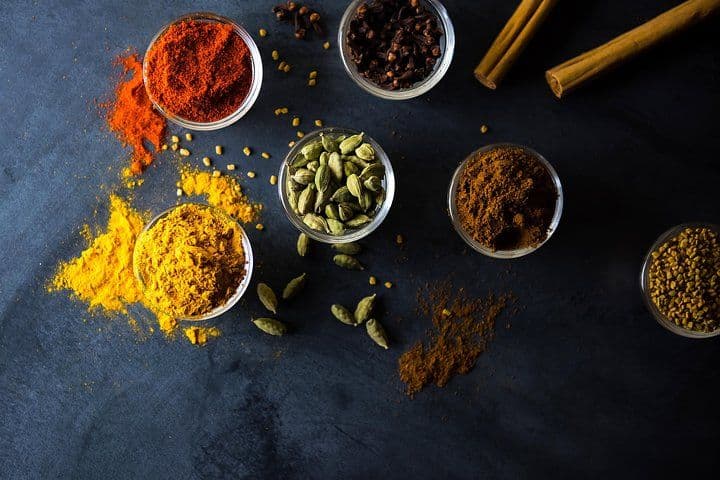
- The Dry Goods and Spice Section: This is the traveler's treasure trove. Here, the air is thick with the scent of cinnamon, cardamom, and clove. You will find vendors selling high quality spices, tea, handicrafts, and local sweets.
What to Buy: Must Have Souvenirs and Goods
Beyond the immediate local food, the Central Market is the best place to find unique, authentic Sri Lankan products:
Ceylon Spices: This is the most crucial purchase. Buy cinnamon quills (Sri Lankan cinnamon, or true cinnamon, is highly prized), whole cloves, black pepper, and chili flakes. Ensure they are freshly packaged or ground on the spot for the best potency.
Kithul Treacle and Jaggery: Kithul treacle is a sweet syrup made from the sap of the Kithul palm flower. It is delicious drizzled over curd (yoghurt) and is a healthier alternative to sugar. Kithul jaggery is the crystallized, solid form of this sweetener, great for adding to tea.
Local Tea: While you can buy tea everywhere, the market often has vendors selling good quality, loose leaf tea from nearby estates, allowing you to bypass factory tourist prices.
Handicrafts and Wood Carvings: Look for smaller stalls selling traditional Kandyan wood carvings, hand loom textiles, and masks. While these may require some bargaining, they offer authentic craftsmanship.
Tips for Shopping Like a Local
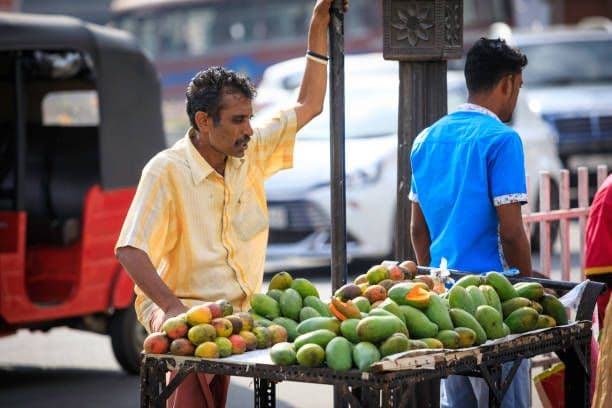
- Go Early: The market is at its busiest, freshest, and most vibrant in the early morning (around 7:00 AM to 9:00 AM). The best product is available then.
- Bargain Gently: Bargaining is expected, especially for non essential items like souvenirs and spices, but always do so politely and with a smile. Do not aggressively bargain for food, as the margins are low.
- Look for Samples: When buying spices or jaggery, ask for a small sample or smell the product to ensure freshness and quality.
- Watch Your Belongings: The market is crowded. Be mindful of your bag and valuables.
- Dress Comfortably: Wear closed toe shoes, as the floor can be wet and uneven, particularly in the produce section.
The Food Court Secret
Towards the edges of the market complex, you will often find small, humble eateries known locally as hotels or rice and curry places. These spots serve some of the most authentic and budget friendly Sri Lankan meals you can find. It is the perfect spot for a quick, spicy lunch or a cup of market-brewed tea, surrounded by the sounds and energy of the city's commerce.
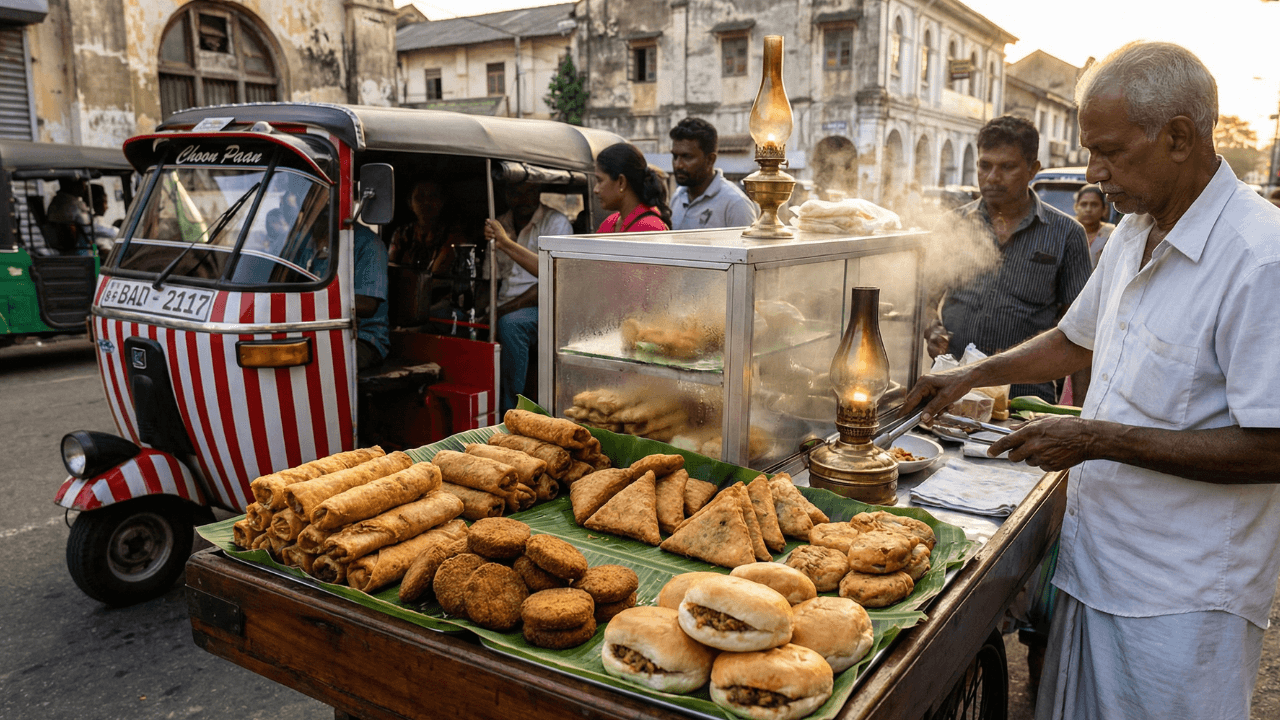
A trip to the Kandy Central Market is a feast for the senses and an essential part of understanding the city’s day to day pulse. It is the place where culture and commerce meet under one noisy, colorful roof.
Published on 2/5/2026