Tea Time History: Visiting the Ceylon Tea Museum (And the Best Nearby Tea Factories)
Daniel Carter
2/4/2026

By Daniel Carter
The story of Kandy and the surrounding highlands is inextricably linked to the history of tea. A visit to the Central Province is incomplete without a pilgrimage to understand the origins of the world famous brew: Ceylon Tea. The best place to start this journey is the Ceylon Tea Museum at Hantana, a captivating destination that offers history, education, and, most importantly, a perfect cup of tea.
Preserving the Past: The Ceylon Tea Museum
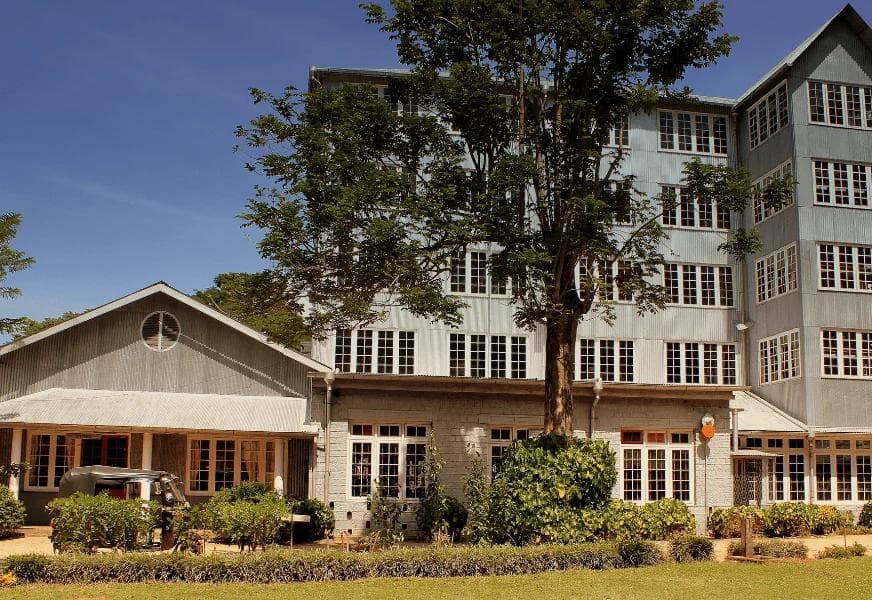
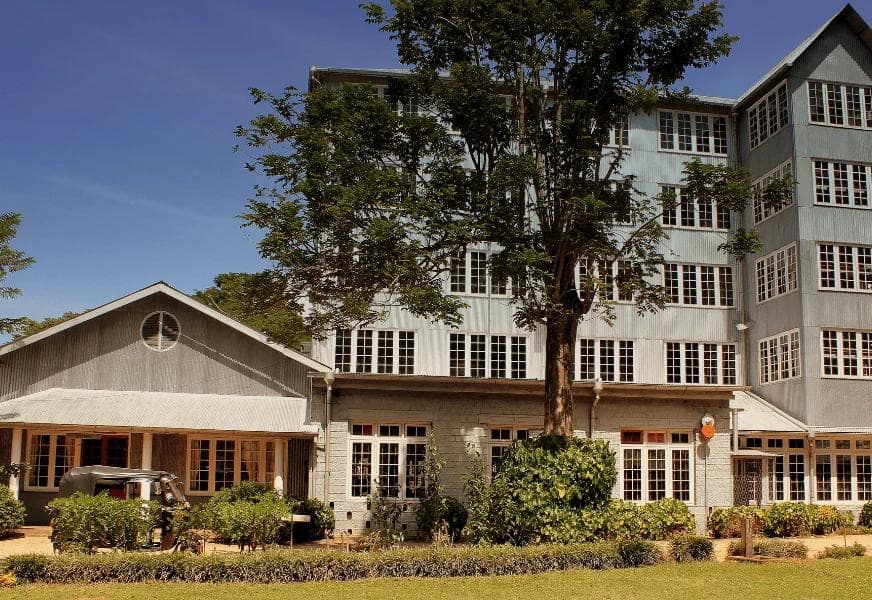
The Ceylon Tea Museum is housed in the former Hantana Tea Factory, built in 1925. It serves as a tribute to the pioneers of the tea industry in Sri Lanka, most notably the Scotsman James Taylor, who planted the first commercial tea estate in 1867. The museum is structured across four floors, each dedicated to a different facet of the island’s tea heritage:
- Ground Floor: This level is dedicated to the pioneers, featuring original tools and a memorial to James Taylor.
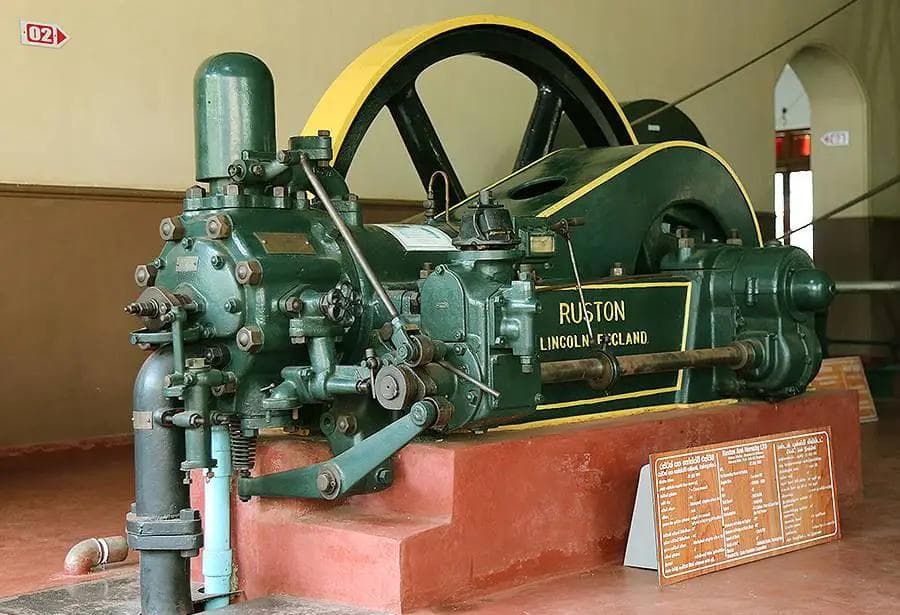
- First Floor: Here you can find the authentic, antique machinery used in the initial tea manufacturing processes. Seeing these large, historic rollers, fermenting troughs, and sorting machines in action (or preserved, as they are here) provides a tangible sense of the industry’s roots.
- Second Floor: This floor houses the library and reading room, offering academic and historical documents related to tea.
- Top Floor (Fourth Floor): This is where you enjoy the reward: a complimentary cup of high quality Ceylon Tea, often served with sweeping, panoramic views of the Hantana tea estates.
A Look at the Manufacturing Process
While the museum showcases the antique tools, it provides an excellent educational background on the four key stages of tea manufacturing, which you will see in any working factory nearby:
Withering: Fresh leaves are spread out to lose moisture.
Rolling: The withered leaves are bruised and twisted to break down cell walls and release enzymes.
Fermentation (Oxidation): The rolled leaves are left to oxidize, which develops the distinctive color and flavor of the tea.
Firing (Drying): The leaves are dried using hot air, halting the oxidation process and stabilizing the tea.
Grading: Finally, the dried leaves are sorted by size and shape (e.g., Pekoe, Broken Orange Pekoe) before packaging.
Complement Your Visit: Nearby Working Tea Factories
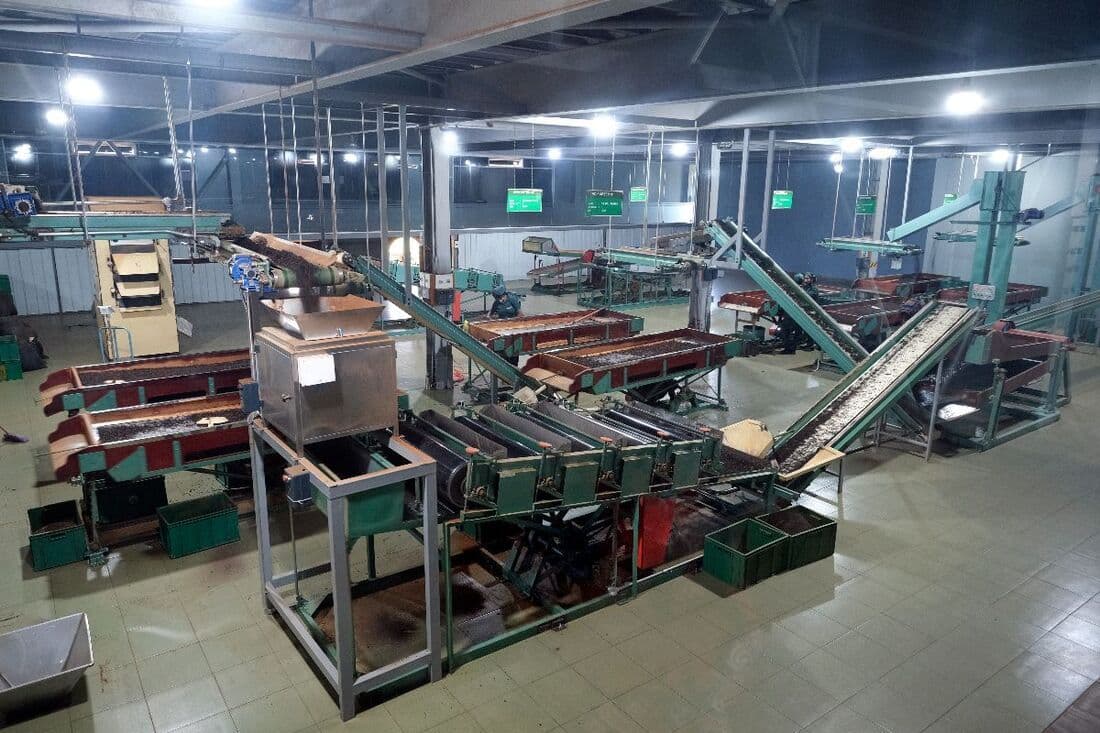
To complement the historical context provided by the museum, it is highly recommended to visit a working tea factory where you can see the modern process in action and purchase tea fresh from the source. Several are located on the roads leading toward Hantana or slightly further afield toward Nuwara Eliya.
- Factory Tour Tips: Working factories typically offer guided tours where you can walk the floor, smell the different stages of processing, and see current machinery. These tours usually culminate in a tasting session and a visit to the factory shop.
- Buying Fresh Tea: Factories sell their finished products graded by size and freshness. This is often the best place to purchase high quality, unblended tea at competitive prices.
Practical Travel Tips for Hantana
- Getting There: The Ceylon Tea Museum is located about 4 km south of Kandy city center, high up in the Hantana hills. The easiest and most direct way to reach it is by tuk tuk. Negotiate the price for a round trip, including waiting time, with your driver.
- Timing: The museum is usually open from Tuesday to Saturday (closed on Mondays and certain holidays). It's best to call ahead or check online for current opening hours. Allow at least two hours for the museum visit and tasting.
- What to Wear: Dress comfortably for walking, but since the museum is a former industrial building in the hills, it can be slightly cooler inside.
- Best Views: Be sure to step out onto the balcony on the top floor. The panoramic view of the lush, rolling tea estates that stretch across the Central Highlands is arguably the most captivating reward of the entire visit.
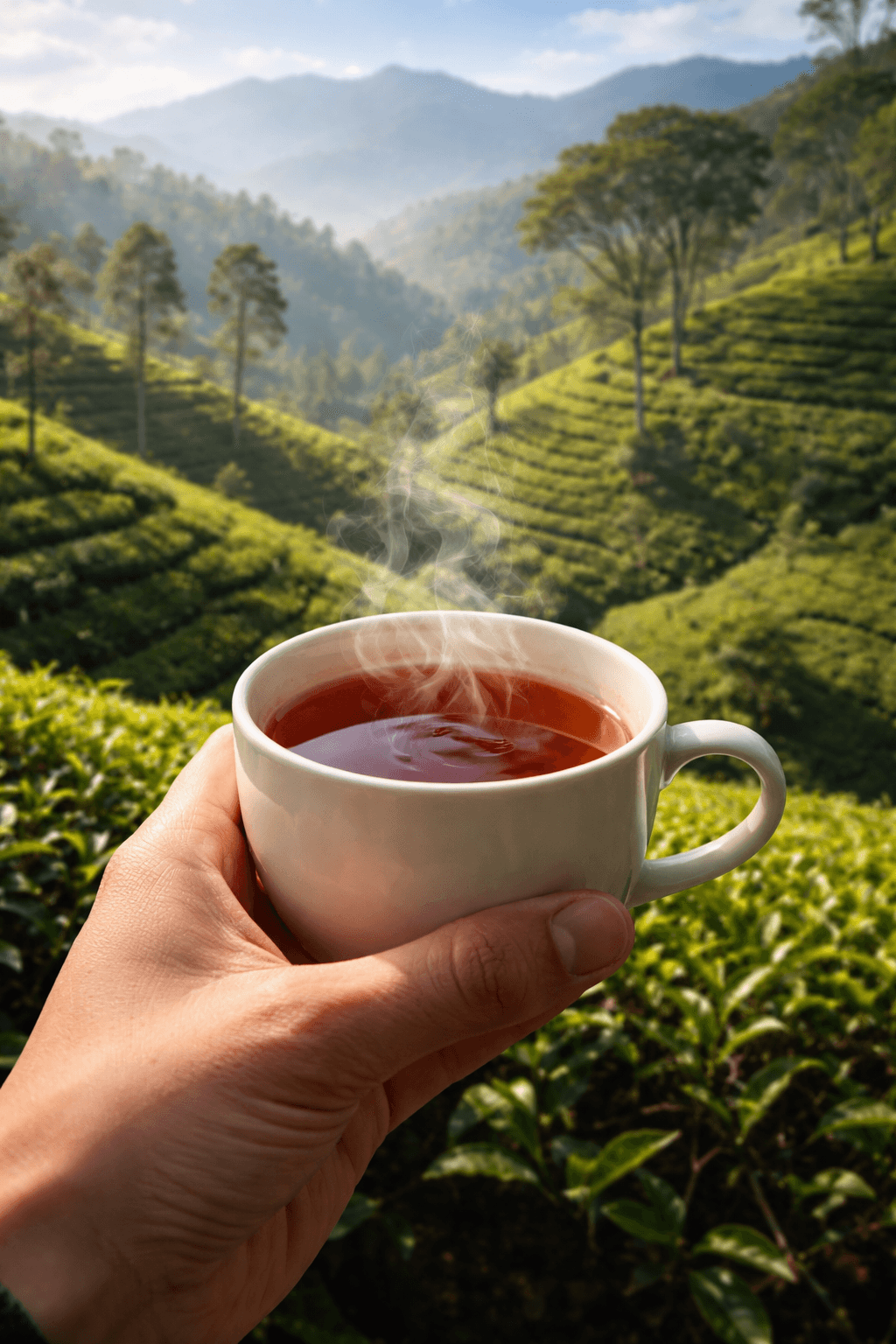
Exploring the Ceylon Tea Museum and the surrounding factories offers a delightful blend of history, sensory experience, and stunning scenery, confirming why the Central Highlands are known globally as the home of the world's finest tea.
Published on 2/4/2026